Trending News

News
News
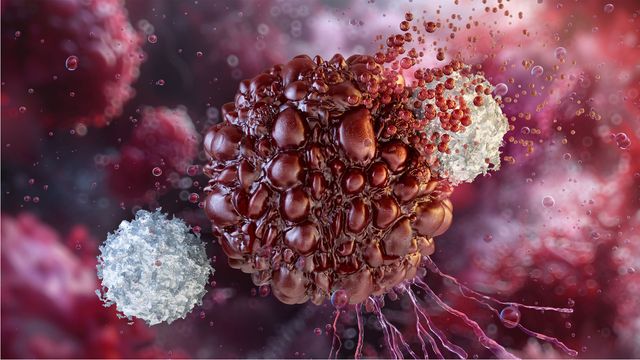
"Multifunctional" Immunotherapy Approach Could Work for Many Cancer Types
Researchers have developed a new way to stimulate the immune system to attack cancer cells, in a strategy that could work for many cancers.
News
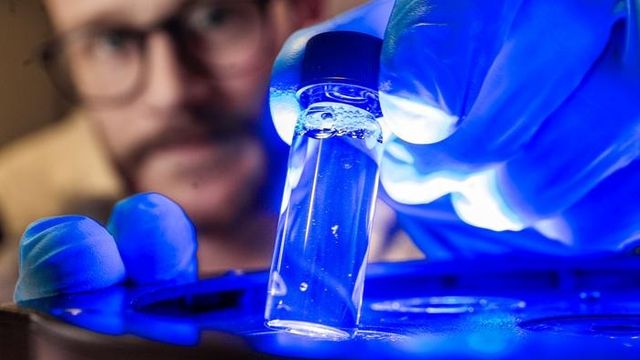
Researchers Develop Electrodes That Can Safely Be Patterned Directly Onto Skin
Discover how electrodes made from conductive plastics can be patterned directly onto the skin, using visible light and no hazardous chemicals.
News
“Viruses Are So, So Clever” – But This Discovery Could Stop Them
UMBC scientists uncovered how enteroviruses initiate replication by assembling a conserved RNA–protein complex inside host cells. The team showed how viral and host proteins bind an RNA cloverleaf to control replication.

News
Contaminated Bathing Water Can Now Be Detected in 20 Minutes
A new Swedish innovation uses machine learning and laser scanning to identify contaminated water in just 20 minutes, reducing health risks and improving water safety.
News
mRNA Therapy With Built-In Cell Selectivity
Mount Sinai researchers developed a first-in-class cell-selective modRNA translation system that turns therapeutic genes on only in target cells.

News
Mutated Baker’s Yeast as a Petroleum Substitute in Pharmaceuticals and Cosmetics
Discover how a mutated form of baker's yeast is a strong contender for replacing petroleum in 2,3-butanediol production for pharmaceuticals and cosmetics.

News
Ancient DNA Reveals Daily Life in a 3,500-Year-Old Italian Community
Researchers reconstructed the genetic and social structure of a Protoapennine community from Bronze Age Italy using ancient DNA. The study reveals kinship patterns, long-distance mobility and cultural practices, including dairy consumption.

News
Soil Microbes Linked to Childhood Allergy Rates
Global analysis shows regional soil microbial communities may be the strongest predictor of childhood allergy rates.

News
Overlooked RNA Linked to High Cholesterol and Atherosclerosis
Researchers identified a previously hidden RNA molecule that regulates cholesterol production by activating SREBP2, a key metabolic regulator. Blocking this RNA lowered cholesterol and reduced atherosclerosis in mice.

News
Researchers Develop One-Step Fluorination for Drug-Like Molecules
Scripps Research chemists developed a one-step, stereoselective method to add fluorine to drug-like molecules using inexpensive fluoride salts, overcoming a decades-old challenge and enabling faster drug development and PET imaging.
Advertisement