Trending News
News

News
Dark Chocolate Compound Linked to Slower Biological Aging
Researchers found that higher blood levels of theobromine, a compound found in cocoa, were linked to slower biological aging. Using DNA-based aging markers in two European cohorts, the study showed the association was independent of caffeine.

News
FC Barcelona Study Finds Menstrual-Phase Injuries Heal More Slowly
A study of elite footballers shows injuries sustained during menstruation are not more frequent, but do result in significantly longer recovery times. The findings suggest hormonal and physiological changes during bleeding may worsen injury severity.
News
mRNA Therapy With Built-In Cell Selectivity
Mount Sinai researchers developed a first-in-class cell-selective modRNA translation system that turns therapeutic genes on only in target cells.
News
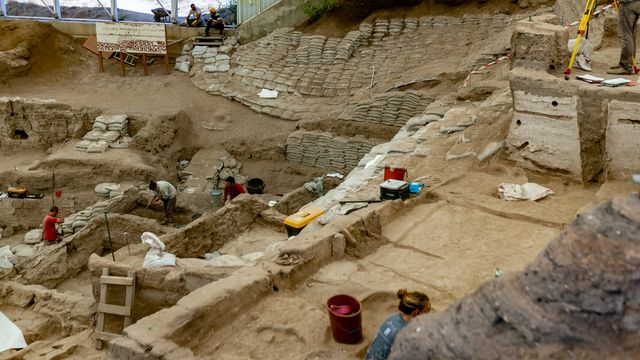
Ancient DNA Reveals Daily Life in a 3,500-Year-Old Italian Community
Researchers reconstructed the genetic and social structure of a Protoapennine community from Bronze Age Italy using ancient DNA. The study reveals kinship patterns, long-distance mobility and cultural practices, including dairy consumption.
News
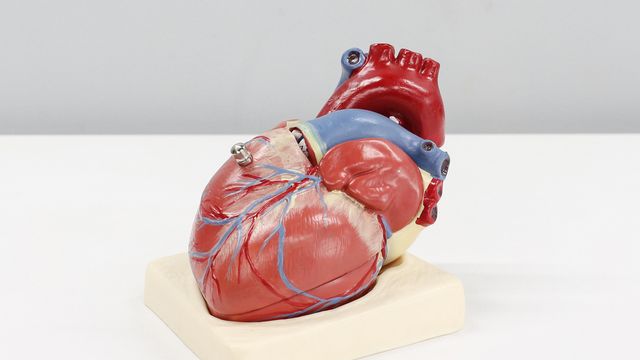
Overlooked RNA Linked to High Cholesterol and Atherosclerosis
Researchers identified a previously hidden RNA molecule that regulates cholesterol production by activating SREBP2, a key metabolic regulator. Blocking this RNA lowered cholesterol and reduced atherosclerosis in mice.
News
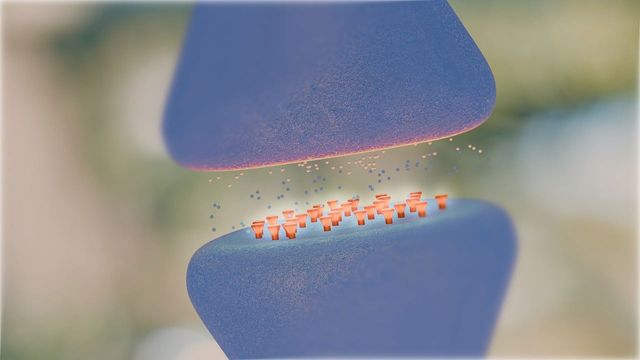
Neurons Stabilize Signaling With a Physical Mechanism, Not Electrical
New research shows that neurons can stabilize their signaling using a fast, physical mechanism — not the electrical activity scientists long assumed was required.
News
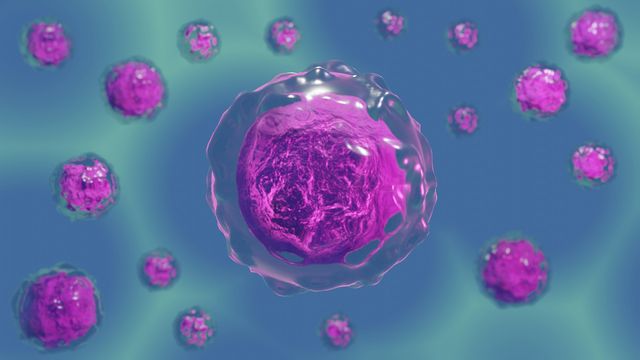
How Cells Survive Oxidative Stress
Scientists at EPFL have discovered a molecular early-warning system that protects cells from excessive lipid oxidation and ferroptosis, a regulated form of cell death linked to aging and many diseases.
News
Neurons Don’t Send mRNAs in Packets After All
A new study shows that mRNAs in neurons cluster largely because abundant messages randomly overlap, not because they travel as coordinated packets. Researchers mapped 66 RNA pairs and found chance proximity dominates.
News
Specialized Gut Cells Linked to Celiac Disease
Using human intestinal organoids, scientists uncovered a previously unknown immune function of M cells. By presenting gluten antigens to T cells, these cells may contribute directly to the development of celiac disease.
Advertisement